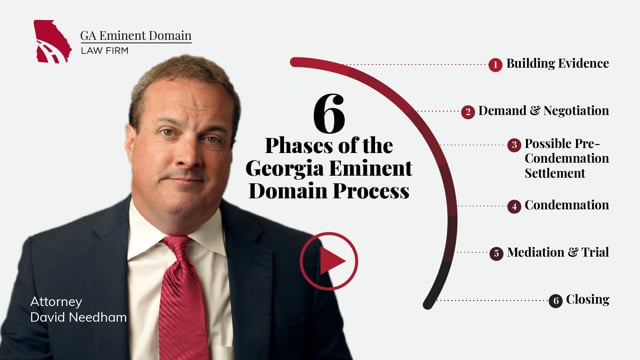
If you do not accept the government’s compensation offer for your property, it will generally file a court action to move forward with the procedure to seize your property. This court action is a lawsuit, so technically, the government is suing you.
At the same time that the government files the lawsuit, it will serve you notice of the lawsuit and deposit its offer of compensation with the clerk of the court in the county where your property is located. These funds are put in an escrow account for you, and the government has the right to take possession of your property.
Note: You will not lose the funds in the escrow account if you contest the condemnation in court.
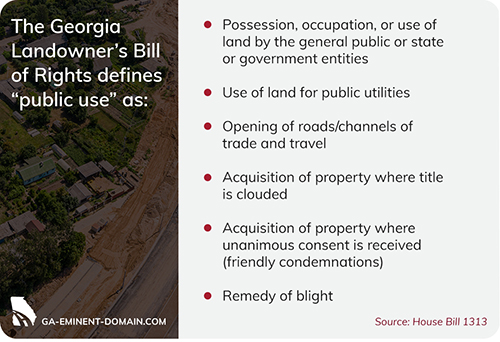
The next step is an Order of Taking, or court hearing, in which the government presents its case and attempts to prove that the condemnation was for public use and that it offered you a fair price for your property. You also have the opportunity to contest this and present your case to the court.
If the court grants the government’s request, you will proceed to a new trial where the full compensation for your property is established. A skilled eminent domain attorney can help you fight for the highest possible compensation.
Can the Trial’s Decision Be Appealed?
Either you or the government may have the right to appeal the trial’s compensation decision if you believe the court made a legal error. Appeals can extend the timeline of your case, but they also provide another opportunity to seek additional compensation if the original result fell short. An experienced eminent domain attorney can help you evaluate whether an appeal is the right next step for you.
For more information about the specific steps that occur when the government files a condemnation lawsuit and how our firm guides clients through the process, check out this Timeline of the Eminent Domain Process.
Before You Withdraw Deposited Funds, Read This
If the government deposits its offer with the court, you may be able to withdraw those funds before your case is complete. But you must follow the proper steps to do so, or you may lose your right to fight for a higher fair market value.
Because this process can affect your entire case, it’s important to talk with an eminent domain attorney before withdrawing any deposited funds.

 1-888-391-1339